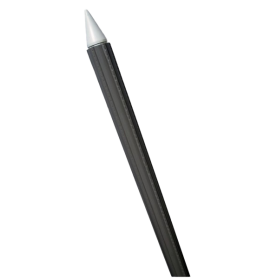
Soil moisture sensor : SSM40
PRICE ON REQUEST

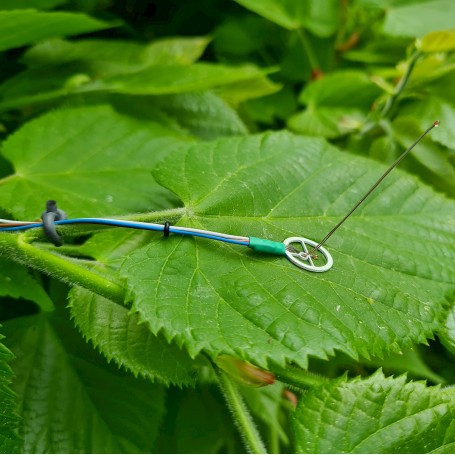


Continuous leaf and air temperature monitoring with ECOMATIK LAT-B3/LAT-B4. Paired micro-thermistors deliver accurate ΔTleaf-air, with SDI-12 and analog outputs.
The ECOMATIK LAT-B3 and LAT-B4 are leaf & air temperature sensors designed for continuous measurement of leaf surface temperature (Tleaf) and ambient air temperature (Tair). Each sensor integrates two individually matched micro-thermistors to deliver highly accurate measurement of the leaf-to-air temperature difference (ΔTleaf-air).
Specifically engineered for broad leaves, the sensor attaches directly to the leaf using an ultra-light clamping system (magnet or carbon rod), minimizing thermal disturbance and preserving natural leaf conditions during measurement.
LAT-B3 and LAT-B4 deliver direct and accurate measurement of the leaf-to-air thermal gradient, a key parameter for analyzing plant energy balance and physiological exchange processes. Their very low mass, high accuracy, and compatibility with wired or wireless acquisition systems make them reference sensors for demanding scientific measurement campaigns.