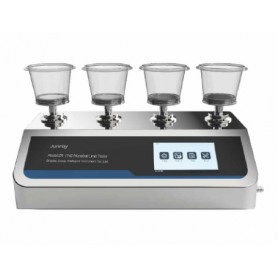
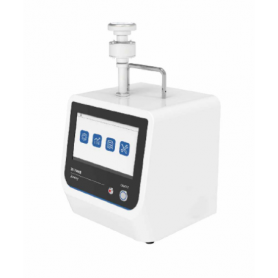
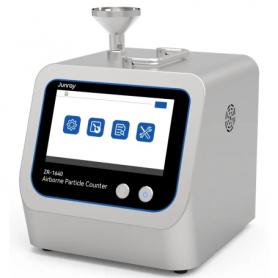
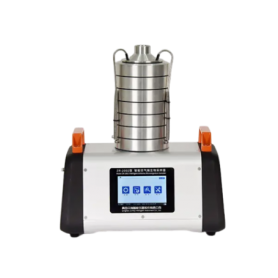
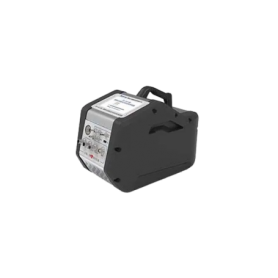
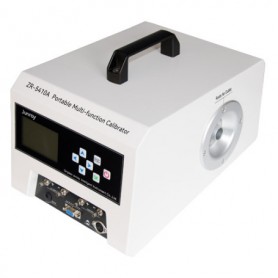
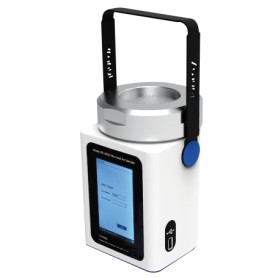
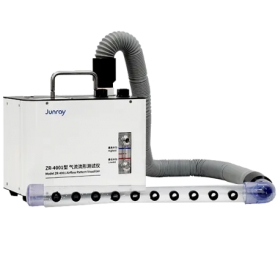
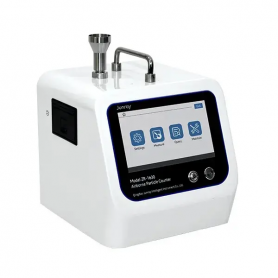
Cleanroom monitoring refers to the continuous measurement and control of environmental parameters in controlled environments where contamination must be strictly limited. These environments include pharmaceutical production areas, biotechnology laboratories, semiconductor manufacturing facilities, medical device production lines and hospital sterile zones.
Key Parameters Monitored in Cleanrooms
Cleanroom monitoring systems typically measure several critical parameters:
- Airborne particle concentration to ensure compliance with ISO 14644 cleanroom classifications
- Microbial contamination including bacteria, spores and bioaerosols
- Airflow velocity and direction to verify proper laminar flow conditions
- Differential pressure between rooms to prevent cross contamination
- Temperature and humidity to maintain stable environmental conditions
Typical Cleanroom Monitoring Instruments
A complete cleanroom monitoring program relies on several complementary technologies:
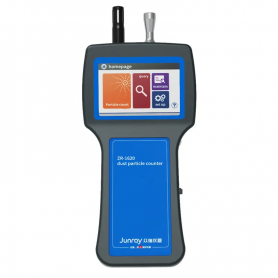
- Particle counters for airborne particulate monitoring
- Bioaerosol and microbial air samplers for biological contamination detection
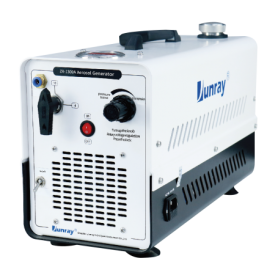
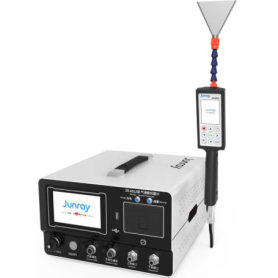
- Aerosol photometers used for HEPA and ULPA filter integrity testing
- Airflow visualization systems to analyze laminar flow patterns
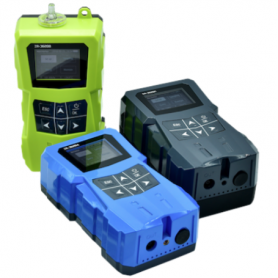
- Environmental monitoring sensors for temperature, humidity and pressure control
Applications
Cleanroom monitoring solutions are widely used in industries where contamination control is critical:
- Pharmaceutical manufacturing and GMP environments
- Biotechnology and life science laboratories
- Semiconductor and microelectronics fabrication
- Medical device production
- Hospital sterile areas and operating rooms